Address
304 North Cardinal St.
Dorchester Center, MA 02124
Work Hours
Monday to Friday: 7AM - 7PM
Weekend: 10AM - 5PM

Address
304 North Cardinal St.
Dorchester Center, MA 02124
Work Hours
Monday to Friday: 7AM - 7PM
Weekend: 10AM - 5PM
ASHRAF DENTISTRY / JOURNAL

Maintaining healthy gums is crucial for overall dental health, but often, gum care is overshadowed by the focus on achieving the perfect white smile. Gum disease, however, can lead to serious dental and health issues if left unchecked. It’s time to spotlight the unsung hero of dental hygiene: flossing. You can maintain healthy gums with the proper techniques and tools. In this article, we’ll delve into the importance of flossing and explore best practices for gum care.
This condition affects the tissues that support your teeth. It’s primarily caused by inadequate brushing and flossing, which allow plaque—a sticky film of bacteria—to accumulate on and between your teeth. Over time, this plaque hardens into tartar, further exacerbating the problem. In its advanced stages, gum disease can lead to symptoms such as swelling, bleeding gums, discomfort while chewing, and eventually, tooth loss. Maintaining good oral hygiene, routine dental check-ups, and professional cleanings are crucial in preventing this common yet serious condition.
Gum disease is a prevalent condition that can progress through various stages if not properly addressed. The initial stage is known as gingivitis, which is characterized by inflammation and bleeding of the gums. If not addressed, it can advance to a severe form of the disease called periodontitis. Periodontitis can cause significant damage to the soft tissue and bone, resulting in tooth loss and other complications.
Flossing is an essential component of comprehensive oral hygiene. It aims to eliminate plaque and food particles from areas that a toothbrush cannot easily access, such as beneath the gumline and between the teeth. Incorporating daily flossing into your routine is highly effective in preventing gum disease and cavities.
To floss effectively:
The best time to floss is before you brush your teeth at night. This ensures that the spaces between your teeth are free from debris and clean before you brush, allowing the fluoride from your toothpaste to reach those areas and work more effectively.
In addition to traditional string floss, there are various tools available that can help maintain gum health and prevent disease.
Water flossers are handheld oral hygiene devices that use a stream of water to clean between teeth and below the gum line. They are beneficial for individuals with braces, other dental procedures, or issues with motor skills that complicate conventional flossing.
Soft-picks and interdental brushes are designed to clean between your teeth and can be easier to use than traditional floss. They are particularly helpful for those with wider gaps between their teeth or those with limited dexterity.
For those with braces or bridges, floss threaders are a godsend. They help you thread the floss through the spaces between the wires and your teeth, ensuring that you can maintain gum health even with orthodontic work.
Flossing is crucial for maintaining a healthy smile. Here are eight tips to make your flossing routine effective and easy:
Besides flossing, you can take several other steps to prevent gum disease.
Visiting your dentist in Toronto, or wherever you may be located, for regular check-ups and cleanings is vital. Professional cleanings can remove calculus (tartar), which contributes to gum disease.
Gum disease is closely linked to smoking. Abstaining from smoking can enhance your gum health and overall wellness.
Eating a balanced, nutritious diet and limiting sugary snacks can help prevent gum disease. Nutrients like vitamin C and calcium are vital for gum health. Consult your health professional before incorporating vitamins, supplements, or changing your diet.
Therapeutic mouthwashes can help reduce plaque and prevent or reduce gingivitis.
If you do develop gum disease, several treatment options are available. The type of treatment will be determined by the severity of the condition.
Gingivitis can be reversed with early intervention and a professional cleaning by your dentist. Your dentist will remove plaque and tartar above and below the gum line.
A deep-cleaning procedure known as scaling and root planing may be necessary for more advanced gum disease. This involves scraping away the tartar from above and below the gum line and smoothing out rough patches on the tooth root where accumulated bacteria sits.
For severe cases, surgical solutions like flap surgery or bone and tissue grafts might be needed to repair damaged gums and the structures that sustain teeth.
Finding a dentist is essential for maintaining optimal gum health. Here are five tips to help you choose a dental professional for your needs:
Seek Recommendations:
Check Credentials:
Evaluate Experience:
Assess Communication Style:
Consider the Clinic’s Environment:
Flossing may not be the most exciting part of dental care, but it’s crucial for preventing gum disease and maintaining overall oral health. Proper flossing techniques and tools daily can protect your gums and keep your smile in shape. It is highly advised to schedule regular check-ups with your dentist in Toronto or your local area and seek treatment promptly if you notice any signs of gum disease. Floss diligently, and your gums will thank you!
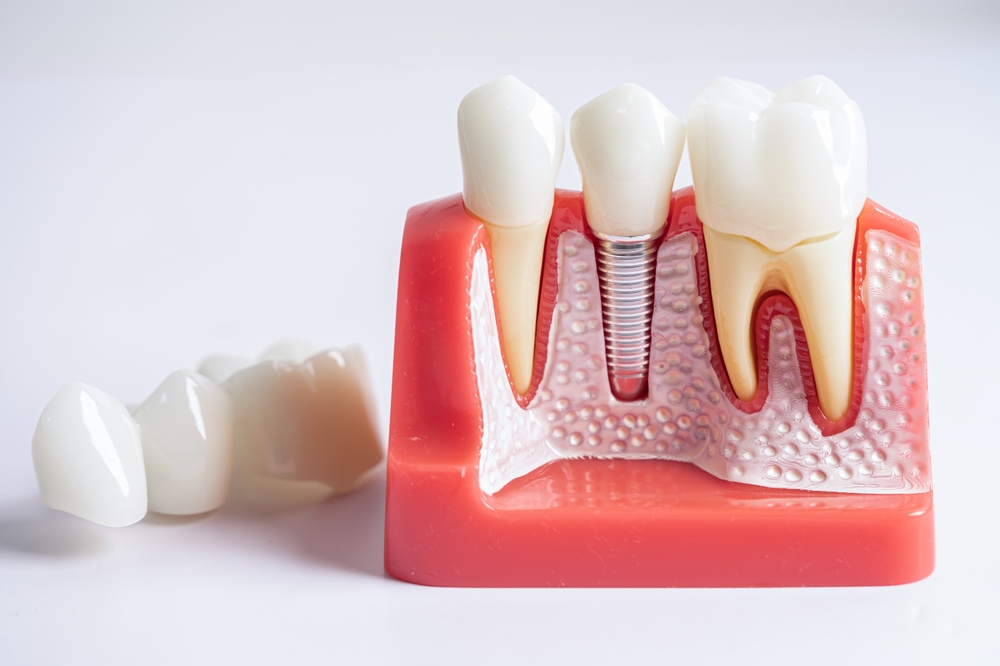
Dental implant eligibility is not a simple yes-or-no checklist. It is better understood as a personalized risk profile. Bone volume, gum health,…
Read article →
Halloween has a way of revealing dental problems that have been quietly developing all year. A filling that seemed secure suddenly loosens…
Read article →
Halloween may end when the porch lights go out, but the busiest period for teeth can continue into November. The problem is…
Read article →Explore what the latest insights mean for your individual dental health with our team.
BOOK AN APPOINTMENT →