Address
304 North Cardinal St.
Dorchester Center, MA 02124
Work Hours
Monday to Friday: 7AM - 7PM
Weekend: 10AM - 5PM

Address
304 North Cardinal St.
Dorchester Center, MA 02124
Work Hours
Monday to Friday: 7AM - 7PM
Weekend: 10AM - 5PM

ANESTHESIOLOGIST / ASHRAF DENTISTRY
Physician-led IV sedation with a dedicated focus on anesthetic care and physiologic monitoring.
A CAREER IN ANESTHESIOLOGY
Dr. Iqbal Hussain Biswas is an anesthesiologist with experience in hospital anesthesia, critical care and procedural sedation. He has served the Cambridge community as an anesthesiologist since 2000 and currently holds hospital privileges at Cambridge Memorial Hospital.
For selected surgical procedures at Ashraf Dentistry, Dr. Biswas provides and monitors IV sedation while the treating dentist remains focused on the dental surgical procedure. This separates the anesthetic and surgical responsibilities between two clinicians during treatment.
CURRENT SPECIALTY
The College of Physicians and Surgeons of Ontario lists Dr. Biswas as a Royal College-certified anesthesiologist with hospital privileges at Cambridge Memorial Hospital.
MEDICAL SCHOOL
Dr. Biswas received his medical degree from the University of Calcutta in 1987.
ANESTHESIOLOGY
His postgraduate education included anesthesiology residency training at New York Medical College.
CRITICAL CARE
His training also included fellowship education in critical care medicine at Mayo Clinic.
IV SEDATION AT ASHRAF DENTISTRY
During selected procedures performed under IV sedation, Dr. Biswas is responsible for the anesthetic component of care, including pre-treatment assessment, administration of sedation medications, physiologic monitoring and oversight of recovery.
The treating dentist remains responsible for the dental surgical procedure. Dividing these responsibilities allows each clinician to remain focused on a distinct aspect of care throughout the appointment.
THE ANESTHESIA ROLE
Monitoring may include oxygen saturation, heart rate, blood pressure, respiratory status, level of consciousness, response to sedation medications and overall medical stability. The anesthetic plan is individualized according to medical history and the planned procedure.
PROFESSIONAL CREDENTIALS
Public professional sources also describe prior leadership roles at Cambridge Memorial Hospital, including service as Chief of the Department of Anesthesia and President of the Medical & Professional Staff Association.
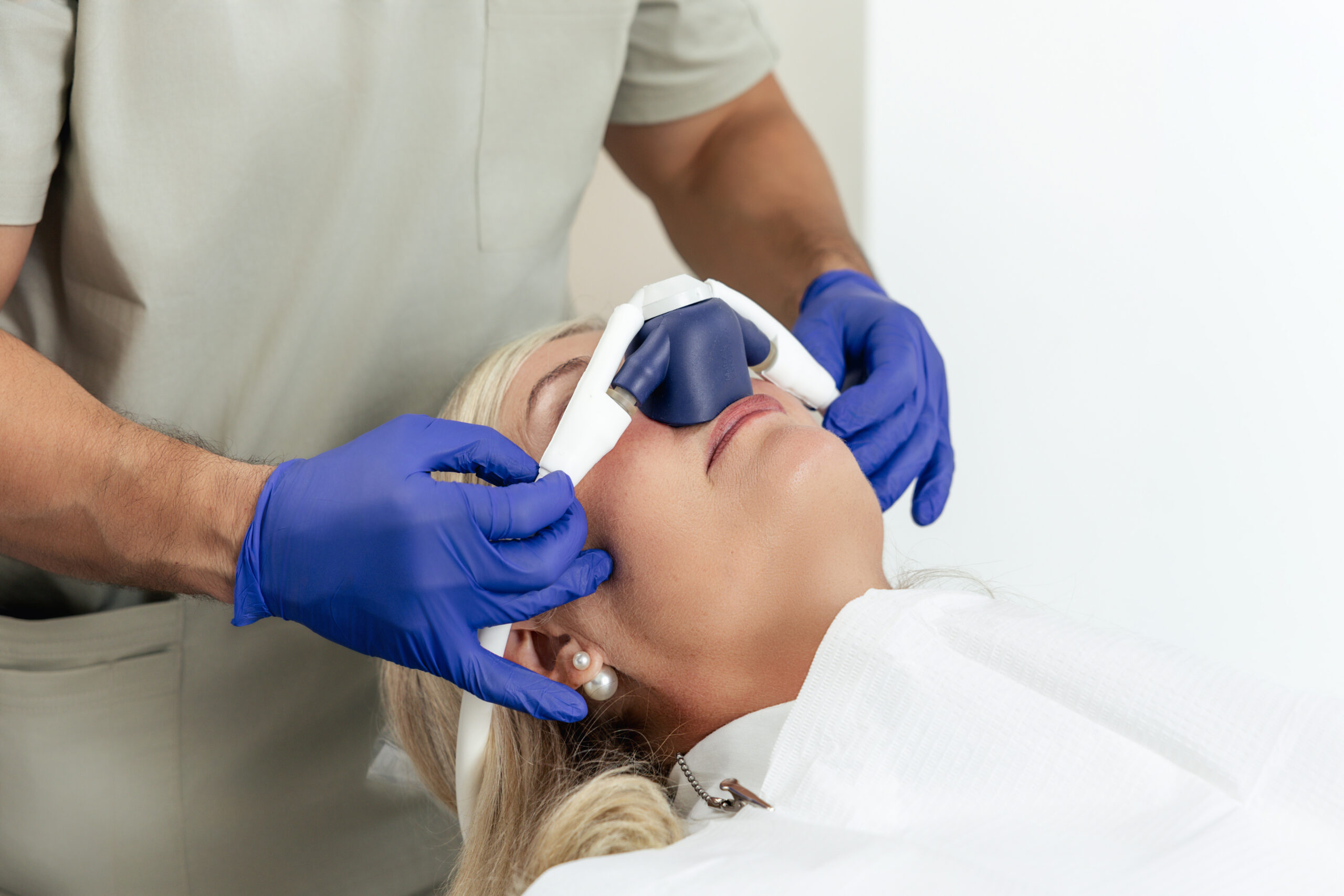
PATIENT-CENTRED SEDATION
Medical history, medications, previous anesthetic experiences, airway considerations and the planned procedure can all influence whether IV sedation is appropriate and how anesthetic care is structured.
WHEN IV SEDATION MAY BE CONSIDERED
IV sedation may be considered for selected patients undergoing more involved dental treatment or for patients with significant anxiety or difficulty tolerating treatment, following an appropriate medical and dental assessment.
Suitability is determined individually. Sedation does not replace the need for appropriate diagnosis, treatment planning or procedural monitoring.