Address
304 North Cardinal St.
Dorchester Center, MA 02124
Work Hours
Monday to Friday: 7AM - 7PM
Weekend: 10AM - 5PM

Address
304 North Cardinal St.
Dorchester Center, MA 02124
Work Hours
Monday to Friday: 7AM - 7PM
Weekend: 10AM - 5PM
ASHRAF DENTISTRY / JOURNAL

The journey to an aesthetic and functioning smile often involves restorative dental treatment. Whether it’s a minor cavity or a more significant tooth repair, understanding your options in restorative dentistry can be the key to making the best decisions for your oral health. Suppose you’re looking for a dentist in Toronto or anywhere else. In that case, this guide will help you navigate the landscape of dental procedures designed to restore the form and function of your teeth.
In this comprehensive article, we’ll discuss the various types of dental restoration available, factors to consider when choosing a treatment, and how to prepare for a visit to your dentist.
Restorative dentistry is a specialized field within dental science focused on diagnosing, preventing, and treating oral diseases and restoring both function and aesthetics of the teeth. This field encompasses a variety of procedures designed to repair damaged, decayed, or missing teeth, ensuring the overall oral health.
Choosing the proper restorative dental treatment is not a decision to be taken lightly. Here are some factors to consider:
The patient’s overall oral health, the condition of surrounding teeth and gums, and the size and location of the decay or damage will significantly influence your options. Small areas of decay may be treatable with fillings. At the same time, more significant or more complex issues may require crowns or other more comprehensive treatments.
Restorative materials include amalgam, composite resin, porcelain, and gold. Each has benefits and downsides, ranging from durability to aesthetic appeal.
The cost of dental procedures can vary. It’s essential to understand your insurance coverage and what you’ll need to pay out of pocket. Some treatments might be more expensive initially but could offer greater longevity and value over time.
The choice of restoration will be influenced by the overall health of the teeth and gums. Moreover, certain health conditions can influence the type of treatment that’s appropriate for you.
For many patients, how their teeth look post-treatment is a significant factor. Procedures like porcelain crowns and composite fillings are crafted to integrate flawlessly with natural teeth, offering a more visually pleasing outcome.
Let’s explore some of the most common restorative treatments, what they entail, and when they’re typically recommended.
Dental Fillings
Dental fillings are the most common form of dental restoration. They are used to repair minor tooth fractures, tooth decay, or otherwise damaged tooth surfaces.
Dental Crowns
A custom-fitted covering that replaces the entire natural crown may be needed when a tooth is extensively decayed or otherwise damaged.
Bridges
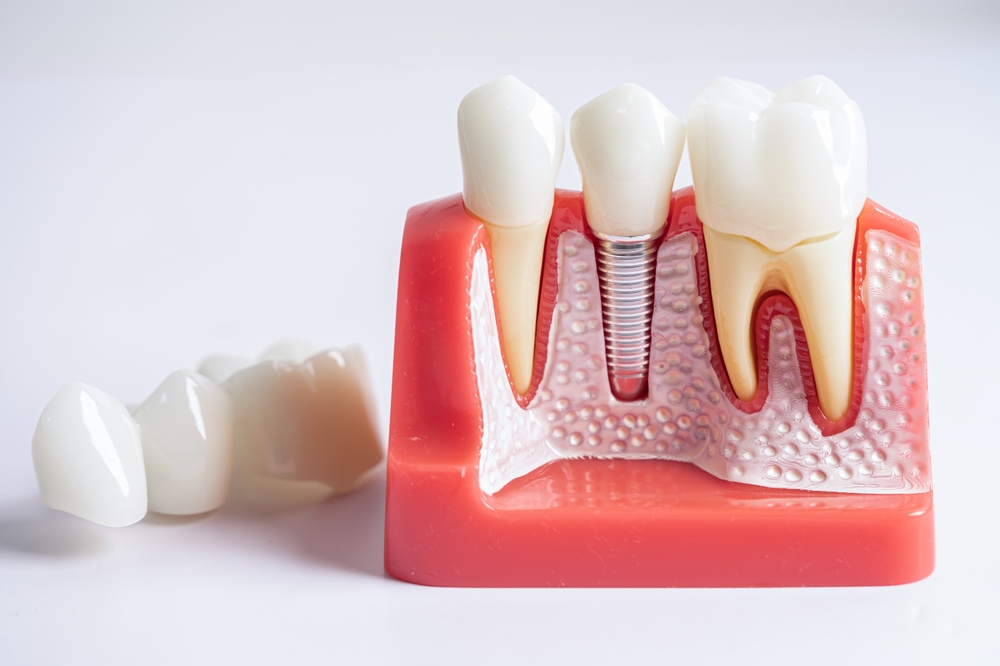
Permanent prosthetics that substitute one or several lost teeth by fastening to neighboring teeth or dental implants.
Dentures
Removable devices designed to replace missing teeth and surrounding tissues are available as partial or complete sets, depending on the extent of tooth loss.
Implants
Surgically, titanium posts are embedded into the jawbone to substitute lost teeth, offering a stable base for fixed or removable prosthetic teeth.
Inlays and Onlays
Custom-made, indirect fillings crafted from porcelain or composite materials that fit into or onto the tooth to restore its shape and function.
Advanced Techniques:
Once you and your dentist have determined the best restorative treatment for your situation, you’ll need to prepare for the procedure. Here are some steps to take:
Usually, your dental professional will start by conducting a thorough inspection of your teeth and gums, possibly involving X-rays and additional diagnostic procedures.
Inform your dentist about your general health, including any medications or supplements you’re taking, as these can affect your treatment.
Your dentist will provide you with a detailed plan that includes the steps of the procedure, the number of visits required, and any necessary aftercare.
Depending on the procedure, there may be specific instructions to follow post-treatment. Ensure you understand these to aid your recovery and the success of the restoration.
If you’re in Toronto, finding a dental professional is crucial for successful restorative dental treatment. Here’s what to consider:
Make sure the dentist you choose has the required qualifications and experience to carry out the specific restorative procedure you need.
Patient testimonials and reviews can provide insights into the dentist’s practice and what you might expect from your own experience.
Select a dentist whose location is accessible for you and whose office hours align with your schedule.
Modern dental practices often use advanced technology for treatments. Inquire about the dentist’s tools and techniques and how they might benefit your treatment outcome. For example, Platelet-Rich Plasma Therapy can help encourage a speedy recovery.
Restorative dental treatments can significantly improve your quality of life, restoring your smile and your ability to chew and speak properly. By considering the factors outlined in this guide and discussing your options with a qualified dentist, you can make an informed decision about your dental care.
Choosing the proper restorative dental treatment is a journey toward better oral health. You can confidently take the next step with the right information and care.
Understanding the ins and outs of restorative dentistry is essential when considering tooth repair or replacement. With the information provided in this patient’s guide, you can make an educated decision on the dental procedures that will best suit your needs. Be sure to consult with your dentist in Toronto or wherever you may be to ensure you receive personalized advice for your unique dental situation. Your journey to a restored smile is just an appointment away.
Dental implant eligibility is not a simple yes-or-no checklist. It is better understood as a personalized risk profile. Bone volume, gum health,…
Read article →
Halloween has a way of revealing dental problems that have been quietly developing all year. A filling that seemed secure suddenly loosens…
Read article →
Halloween may end when the porch lights go out, but the busiest period for teeth can continue into November. The problem is…
Read article →Explore what the latest insights mean for your individual dental health with our team.
BOOK AN APPOINTMENT →