Address
304 North Cardinal St.
Dorchester Center, MA 02124
Work Hours
Monday to Friday: 7AM - 7PM
Weekend: 10AM - 5PM

Address
304 North Cardinal St.
Dorchester Center, MA 02124
Work Hours
Monday to Friday: 7AM - 7PM
Weekend: 10AM - 5PM
THE JOURNAL from ASHRAF DENTISTRY
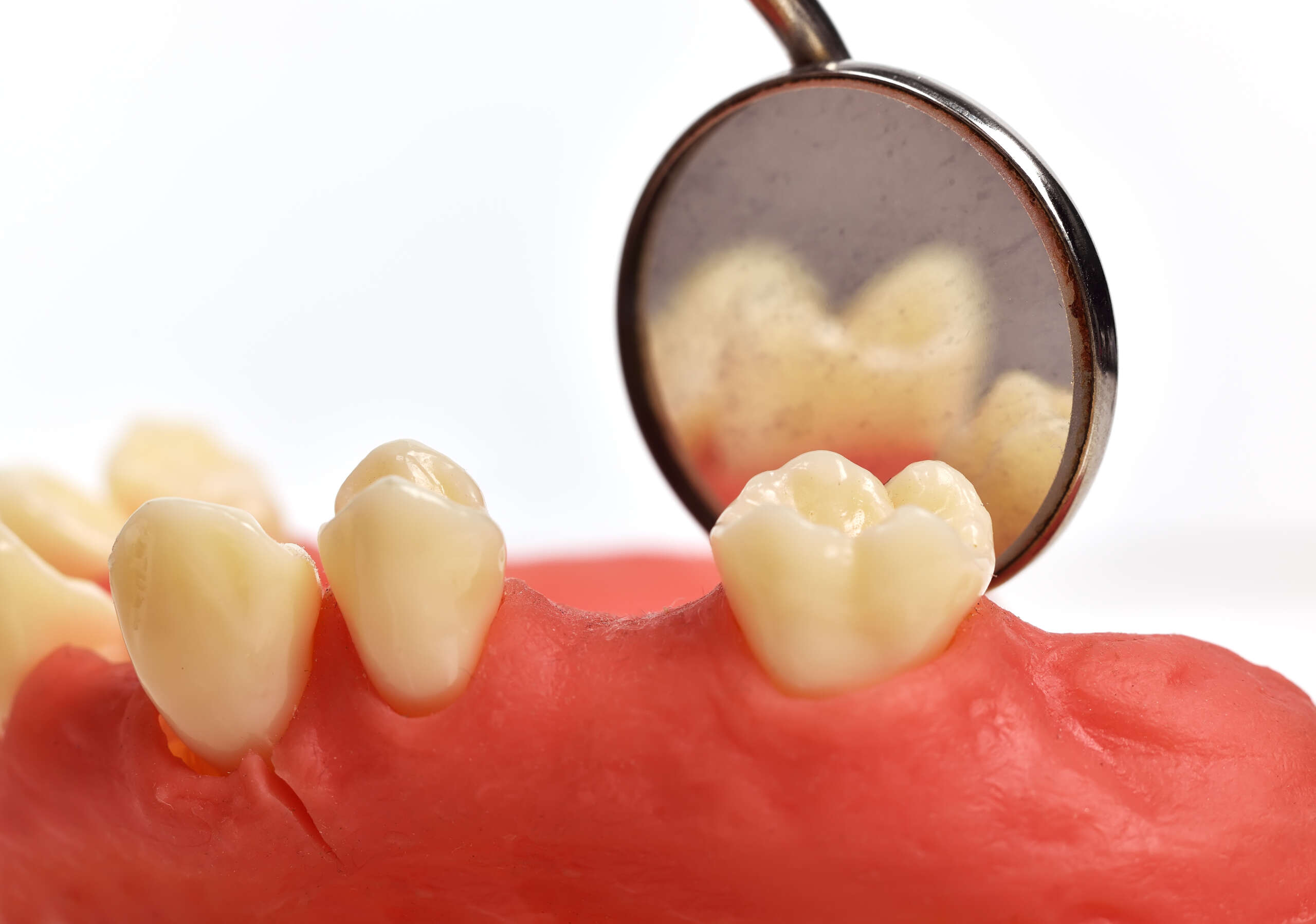
Do you have a toothache and increased teeth sensitivity? Have you noticed gaps between your gum and teeth? You could be suffering from gum recession. Read on to find out everything about this gum disease.
Gum recession is a type of disease that makes your gum move back from the base of your teeth. This leads to the exposure of roots.
This ailment occurs due to multiple reasons. It is most common in people who wear braces or have a gum infection. Someone who has undergone any gum disease treatment or suffered a dental trauma could also be susceptible to gum recession. Suppose you have a habit of chewing tobacco or have a piercing on your tongue or lip. In that case, you stand a higher chance of developing gum recession.
Primary symptoms of gum recession include pain around the base of the teeth. You may also note sensitivity to sweet, cold, and hot food or drinks and increased sensitivity during brushing, flossing, and teeth cleaning.
If left untreated, gum recession, in most cases, can result in a wobbly tooth, bone loss, and eventual loss of the tooth.
Gum recession is a treatable condition. A regular dental check-up, teeth cleaning, scaling, and root planing can be the first step to improving your overall oral hygiene. Mild cases of recession can be treated with topical antibiotics and other nonsurgical treatments.
However, regenerative surgery is required in severe cases of gum recession, where the bone is destroyed. In this case, your dentist will remove the lost bone, clean the affected area, and fill it with a regenerative material such as graft tissue or membrane. This will encourage the natural growth of tissue and bone in that place.
Gum contouring is another cosmetic dentistry option that helps in restoring gum recession. In this process, your dentist reshapes your gum structure. They take tissues from your palate and add them to the area around your teeth to tighten your gums.
Dental bonding is a gum disease treatment process in which the dentist uses composite resin material to cover the exposed area, making it less painful. This process also helps block the easy passage of bacteria inside your gums.
Gum recession can be prevented by following a disciplined oral hygiene routine. Develop a habit of brushing twice a day, flossing daily, using an antiseptic mouthwash, and eating food that is low in sugar content.
Make it a point to go for regular dental cleaning and check-ups. In case you develop any gum issues, your dentist will be able to catch it faster and start treatment soon. Bruxism is excessive grinding and clenching of your teeth. To avoid this, you can wear a night guard while sleeping. Botox Therapeutics also helps relax your facial muscles, which will release the tension around your jaw, reducing the risk of bruxism.
Gum disease treatment, Botox Therapeutics, and cosmetic dentistry options are available for gum recession. You should immediately consult your dentist if you observe any symptoms. Botox Therapeutics and cosmetic dentistry are quite popular; with timely care, you can help keep your teeth healthy inside out. Prevention is better than cure in every situation, and most definitely with teeth issues!

A strand of floss catches where it used to glide. Cold water suddenly bothers one tooth. The same space between your teeth…
Read article →
Phase 1 orthodontic treatment is early, interceptive care for children whose jaws, bites, teeth, breathing patterns, or oral habits may benefit from…
Read article →
Holiday schedules can be joyful, but they can also bring packed calendars, travel planning, financial pressure, family expectations, and disrupted sleep. For…
Read article →Explore what the latest insights mean for your individual dental health with our team.
BOOK AN APPOINTMENT →