Address
304 North Cardinal St.
Dorchester Center, MA 02124
Work Hours
Monday to Friday: 7AM - 7PM
Weekend: 10AM - 5PM

Address
304 North Cardinal St.
Dorchester Center, MA 02124
Work Hours
Monday to Friday: 7AM - 7PM
Weekend: 10AM - 5PM
THE JOURNAL from ASHRAF DENTISTRY
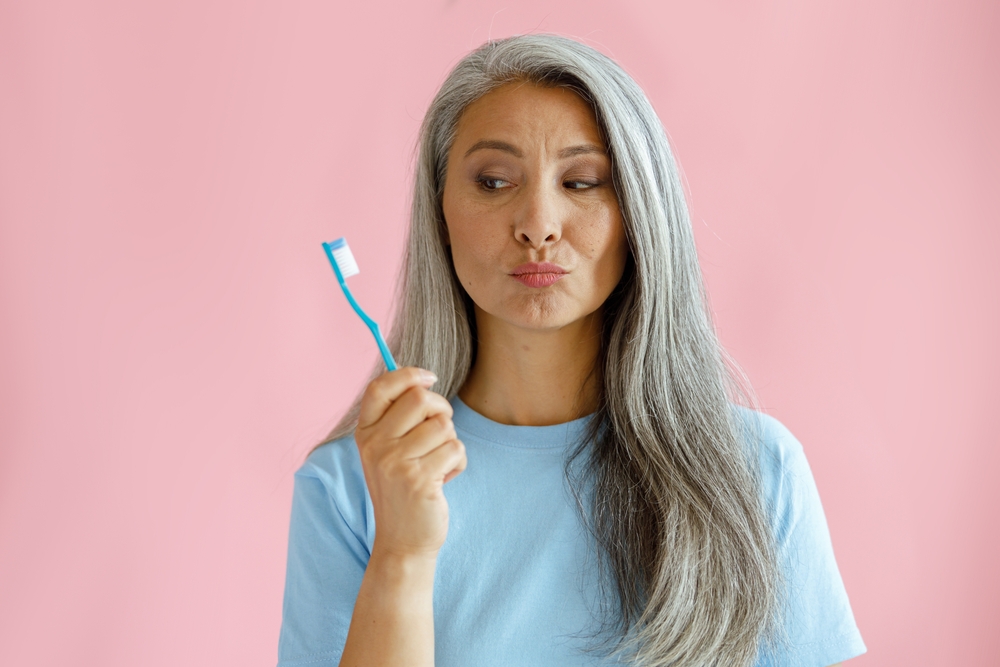
A strand of floss catches where it used to glide. Cold water suddenly bothers one tooth. The same space between your teeth collects food after every meal.
These changes are easy to dismiss when nothing hurts. Yet subtle differences in how your mouth feels can provide useful clues about your dental health. A Yorkville dentist can assess whether a new sensation reflects temporary irritation, a change in your dental hygiene routine, or an issue that needs treatment.
“Micro-symptoms” is a descriptive term for small changes you notice in your mouth, rather than a formal dental diagnosis. These might include mild bleeding, occasional sensitivity, a rough tooth surface, or a persistent unpleasant taste.
What matters is the pattern. Does the change keep returning? Is it limited to one tooth? Has something that happened occasionally become part of your daily routine?
Paying attention to these details gives your dental team a clearer starting point. You do not need to identify the cause yourself.
If one spot repeatedly bleeds during brushing or cleaning between your teeth, mention it. Gum inflammation, trapped debris, and cleaning technique can all contribute. Avoid assuming that bleeding simply means you should stop cleaning the area.
An unpleasant taste or persistent bad breath deserves attention, especially when it returns soon after brushing. Common bad breath causes include trapped food, bacteria on the tongue, dry mouth, and gum inflammation. Notice whether the taste seems to come from a particular area, and share that detail with your dentist.
Gums that look puffier or redder than usual may be irritated. Compare them with their usual appearance rather than relying on a single idea of what healthy gum colour should look like.
A brief reaction to cold and discomfort that lingers is a different experience. Tell your dentist what triggers the sensation, which tooth seems affected, and how long it lasts. Sensitivity can have several causes, including recession, enamel wear, decay, or cracks.
Repeatedly removing food from the same location can become so familiar that you stop questioning it. Changes in tooth contact, a restoration, or gum tissue may explain the problem.
If one tooth suddenly seems to contact before the others when you close your mouth, report the change. This is particularly useful information following dental procedures or when chewing feels different.
A changing gumline may expose more of a tooth’s surface. Gum recession can develop gradually, making comparison with previous examinations helpful.
Your tongue may notice a small chip or uneven filling before you can see it. Avoid repeatedly testing the area or trying to smooth it yourself. A dental examination can establish what changed.
A small symptom does not necessarily indicate a small problem. Equally, a noticeable sensation does not automatically mean extensive treatment is needed.
Consider food trapping alongside bleeding in the same space, or sensitivity accompanied by a changing gumline. Recurring bleeding, swollen gums, gum recession, and persistent bad breath can be periodontal disease signs, although these symptoms may have other causes. Looking at them together helps your dentist determine what needs attention.
At a dental office in Yorkville, your dentist can compare your concerns with gum measurements, tooth surfaces, existing restorations, and previous records. X-rays may be recommended when clinically appropriate. Treatment depends on the findings, rather than the symptom alone.
Before your visit, note three things: where the change occurs, what triggers it, and how long it has been happening.
Mention any recent changes to medications, whitening products, retainers, or dental hygiene tools. Explain whether discomfort occurs during chewing, afterward, or without an obvious trigger.
These observations help your Yorkville dentist focus the assessment without requiring you to keep an elaborate symptom diary.
Brush twice daily with a dentist-recommended fluoride toothpaste and clean between your teeth daily. Use gentle pressure; harder brushing does not provide better cleaning.
If food repeatedly catches or floss consistently snags, ask about the area instead of forcing the floss through. For persistent bad breath, gentle tongue cleaning and hydration may help, but a recurring odour should be assessed rather than continually masked with mints.
Contact your dental office if a change persists, recurs, or affects eating or cleaning. Pain, swelling, pus, a loose tooth, or a broken restoration warrants prompt attention.
At Ashraf Dentistry, bring up the small differences you have noticed—even if they seem difficult to describe. An assessment can help clarify the cause of dental health issues and identify appropriate care before the concern becomes harder to manage.

Phase 1 orthodontic treatment is early, interceptive care for children whose jaws, bites, teeth, breathing patterns, or oral habits may benefit from…
Read article →
Holiday schedules can be joyful, but they can also bring packed calendars, travel planning, financial pressure, family expectations, and disrupted sleep. For…
Read article →
Think of a Holiday Travel Dental Kit: Yorkville Dentist Essentials for Stress-Free Trips as a tiny peace treaty between your smile and…
Read article →Explore what the latest insights mean for your individual dental health with our team.
BOOK AN APPOINTMENT →