Address
304 North Cardinal St.
Dorchester Center, MA 02124
Work Hours
Monday to Friday: 7AM - 7PM
Weekend: 10AM - 5PM

Address
304 North Cardinal St.
Dorchester Center, MA 02124
Work Hours
Monday to Friday: 7AM - 7PM
Weekend: 10AM - 5PM
ASHRAF DENTISTRY / JOURNAL
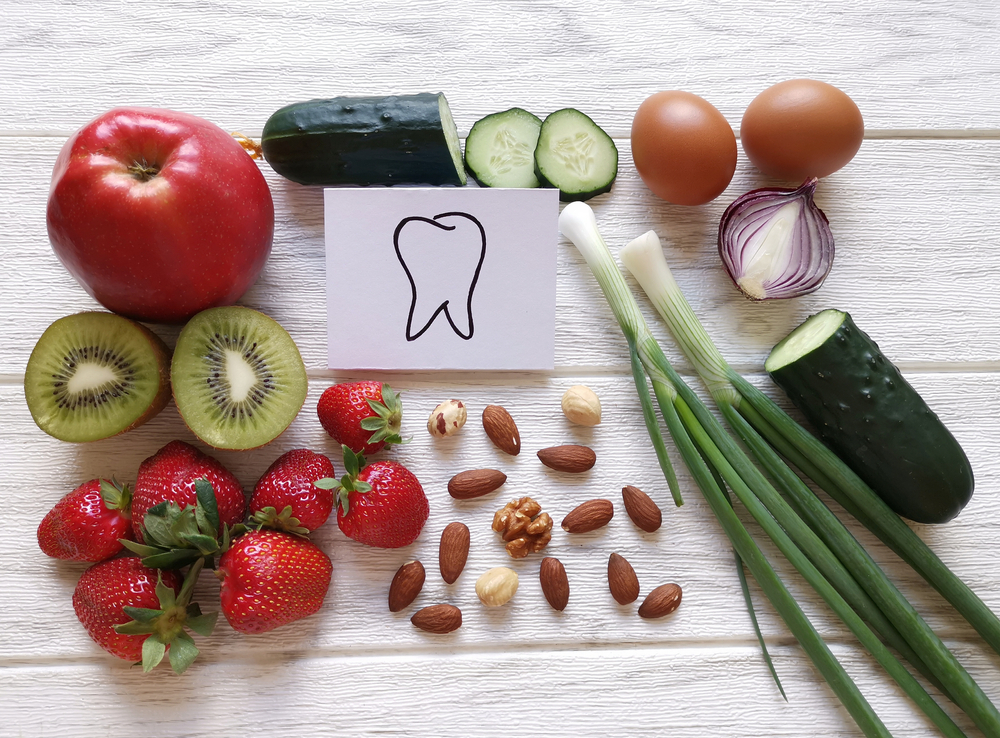
Welcome to our exploration of the intricate relationship between diet and oral health in children, where we merge expert insights from Ashraf Dentistry with practical, everyday tips. (Source: healthychildren.org, Powered by pediatricians, trusted by parents, from the American Academy of Pediatrics, Diet Tips to Prevent Dental Problems, https://www.healthychildren.org/English/healthy-living/oral-health/Pages/Diet-Tips-to-Prevent-Dental-Problems.aspx ).
“Diet is a key player in maintaining dental health, particularly in children,” notes a spokesperson from Ashraf Dentistry. This statement is the cornerstone of pediatric dentistry. Balanced nutrition isn’t just about overall health; it holds a crucial role in reducing the need for dental interventions like cleanings and fillings. Ashraf Dentistry emphasizes that understanding this connection can lead to better preventive care and fewer dental problems in kids.
Proper diet can significantly impact a child’s dental health. Ashraf Dentistry suggests, “Opt for teeth-friendly snacks like cheese or nuts instead of sticky, sugary foods.” These choices can prevent plaque buildup, reducing the need for frequent cleanings and fillings. They also recommend including crunchy vegetables in meals, which can act as natural toothbrushes. Integrating these diet tips into a child’s daily routine is essential. This advice is often mentioned in pediatric dentistry for maintaining long-term dental health.
Fluoride is often dubbed a dental superhero. “It strengthens the enamel; it is an extra level of care and protection which makes teeth more resistant to decay,” explains Ashraf Dentistry. This is why fluoride treatments are a common practice in pediatric dentistry. They not only prevent cavities but can also reverse the initial stages of tooth decay, reducing the need for more invasive treatments like fillings.
While fluoride is beneficial, too much can lead to fluorosis, a condition that affects tooth enamel. Ashraf Dentistry advises, “Use fluoride toothpaste and mouth rinses in moderation and under supervision for young kids.” They stress the importance of using the right amount of fluoride to maximize its benefits in pediatric dentistry without risking fluorosis. In addition, Ashraf Dentistry shares, “It’s crucial to strike a balance when it comes to fluoride use, especially in children, to prevent fluorosis. Fluorosis can occur from excessive fluoride consumption during the years when teeth are developing, typically up to age 8. To avoid this, it’s important to monitor and regulate the amount of fluoride your child is exposed to. Start by using a pea-sized amount of fluoride toothpaste for children, and ensure they don’t swallow it after brushing. Also, be mindful of the fluoride content in your drinking water. Consider using filtered water for drinking and cooking in areas with high fluoride levels. Regular dental check-ups are essential, too, as your dentist can advise on the appropriate level of fluoride based on your child’s specific needs. Remember, while fluoride is beneficial for dental health, moderation is key to preventing fluorosis.”
Sugars are a significant contributor to tooth decay. Ashraf Dentistry warns, “Frequent consumption of sugary foods and beverages can lead to cavities.” They recommend reducing sugar intake and opting for healthier alternatives. Limiting sugary drinks, including fruit juices, and encouraging water can significantly lower the likelihood of developing cavities. Water not only keeps children hydrated but also helps wash away any lingering sugars and food particles from their teeth. This dietary shift is crucial in pediatric dentistry to lower the frequency of cleanings and fillings. Ashraf Dentistry adds, “Hidden sugars in foods and beverages can be a sneaky threat to children’s dental health. These sugars, often found in products not typically considered sweet, like some breads, crackers, and even condiments, contribute to tooth decay just as much as the obvious sugars in candies and sodas. When sugars from these foods stick to the teeth, they feed bacteria that produce acid, leading to tooth decay.
Parents need to be extra vigilant in checking labels for hidden sugars. Ingredients, including high-fructose corn syrup, dextrose, and maltose, are sugars in disguise. Even foods marketed as healthy, like some yogurts and cereal bars, can contain surprising amounts of sugar. Parents should opt for whole, unprocessed foods to safeguard children’s teeth as much as possible. A good rule of thumb is if you cannot pronounce an ingredient, it should not be consumed. Whole food is best.”
While diet plays a critical role in preventing dental issues, Ashraf Dentistry also focuses on treatments specific to pediatric patients. “In pediatric dentistry, there are four top treatments that are particularly effective in preventing and guarding against cavities and tooth decay in children:
By incorporating these treatments and practices, pediatric dentistry helps maintain the overall oral health of children.”
In wrapping up, Ashraf Dentistry reinforces, “A balanced diet is integral to dental health, and it’s a fundamental aspect of pediatric dentistry.” They highlight that a good diet does more than feed the body – it protects and fortifies children’s teeth, potentially reducing the need for dental procedures. This principle demonstrates the importance of a comprehensive approach that includes both preventive care and appropriate dental treatments in maintaining children’s dental health.
The connection between diet and dental health in children is undeniable. By understanding and implementing these dietary and dental care strategies, parents can play a significant role in ensuring their children’s smiles stay bright and healthy.

Think of a Holiday Travel Dental Kit: Yorkville Dentist Essentials for Stress-Free Trips as a tiny peace treaty between your smile and…
Read article →
Dental implant eligibility is not a simple yes-or-no checklist. It is better understood as a personalized risk profile. Bone volume, gum health,…
Read article →
Halloween has a way of revealing dental problems that have been quietly developing all year. A filling that seemed secure suddenly loosens…
Read article →Explore what the latest insights mean for your individual dental health with our team.
BOOK AN APPOINTMENT →