Address
304 North Cardinal St.
Dorchester Center, MA 02124
Work Hours
Monday to Friday: 7AM - 7PM
Weekend: 10AM - 5PM

Address
304 North Cardinal St.
Dorchester Center, MA 02124
Work Hours
Monday to Friday: 7AM - 7PM
Weekend: 10AM - 5PM
ASHRAF DENTISTRY / JOURNAL

Understanding the nature of your dental restorations is the first step toward effective maintenance. Each type of restoration comes with its unique set of characteristics and care requirements. By familiarizing yourself with these, you can tailor your oral hygiene routine to meet the specific needs of your dental work. This proactive approach not only prevents potential issues but also empowers you to take control of your oral health journey.
Dental restorations refer to a variety of treatments and materials used by a dentist in Toronto to restore both function and appearance of damaged teeth. Common types include fillings, crowns, bridges, and veneers. Each type has specific care requirements to ensure long-lasting results. Understanding the differences between these restorations can help you communicate effectively with your dental care provider and ensure that you receive the best possible care for your specific needs.
Moreover, being informed about your dental restorations enables you to make educated decisions about potential future treatments. As dental technology continues to evolve, staying updated on the latest advancements can offer insights into new options that may better suit your lifestyle or aesthetic preferences. This knowledge can be invaluable when discussing treatment plans with your dentist.
Understanding the type of restoration you have is the first step in knowing how to care for it properly. This knowledge empowers you to adopt specific practices that enhance the durability and effectiveness of your dental work. It also lets you notice any changes or issues early, facilitating timely intervention and minimizing potential complications.
Consistent oral hygiene is vital to maintaining your dental restorations. Following these daily habits can help prevent damage and ensure your restorations last as long as possible. A dedicated oral hygiene routine protects your restorations. It contributes to overall dental health, reducing the risk of gum disease and tooth decay.
Investing a few minutes each day into proper oral care can yield significant benefits, keeping your smile healthy and vibrant.
Flossing daily is crucial for removing food particles and plaque between teeth and around restorations. Use a gentle touch to avoid dislodging or damaging any dental work. Specialized floss or interdental brushes can be beneficial for cleaning around bridges or areas with tight spaces.
Flossing should be a key component of your daily oral care routine, not just an occasional task. Consistent flossing helps maintain the health of your gums and prevents decay in areas that brushing alone cannot reach. If traditional flossing is challenging, consider water flossers as an effective alternative.
After brushing and flossing, using an antiseptic or fluoride mouthwash is typically advised. This step helps remove bacteria and provides extra protection for your teeth and any dental restorations. Additionally, mouthwash can freshen breath, reduce plaque, and support overall oral health.
Selecting the right mouthwash is essential, as some formulations contain alcohol, which can be drying. Alcohol-free options are available and can be equally effective. Regular use of mouthwash can enhance your oral care regimen, supporting the longevity of your dental work.
Routine check-ups with your Toronto dental care provider are essential for maintaining your restorations. During these visits, your Toronto dentist can assess the condition of your dental work and recommend any necessary adjustments or repairs. Regular dental visits offer an opportunity for professional advice and reassurance about your oral health status.
Building a relationship with your dentist can make these visits more productive and less stressful. Open communication about any concerns or changes you notice can lead to early detection and resolution of potential issues, safeguarding the longevity of your dental restorations.
Even with diligent at-home care, plaque and tartar can build up around restorations. Professional cleanings help remove these deposits and keep your teeth and gums healthy. Dentists and hygienists have the tools and expertise to clean areas that are difficult to reach at home.
Professional cleanings also offer an opportunity to polish your teeth, enhancing the appearance of your restorations and giving your smile a brighter look. Regular cleanings can prevent gum disease and ensure your restorations remain in optimal condition.
Regular dental visits enable your dentist to check your restorations for any signs of wear, damage, or decay. Detecting issues early can help prevent major complications and prolong the lifespan of your dental work. Monitoring also includes checking for signs of oral diseases that could affect your restorations.
Your dentist may also use advanced diagnostic tools like X-rays to assess the integrity of your restorations and the health of your underlying teeth. These assessments provide valuable insights, allowing for timely interventions that can prevent costly and complex treatments in the future.
Certain habits can adversely affect your dental restorations. By being mindful of these actions, you can avoid damage and extend the lifespan of your dental work. Awareness of these habits is the first step towards making positive changes that support your oral health.
Changing ingrained habits can be challenging, but the benefits to your dental health are well worth the effort. Consider seeking support from your dentist or behavioral specialists if you struggle to break habits that jeopardize your restorations.
Avoid chewing on hard objects like bottle caps, ice cubes, jewelry, pens, or fingernails, as these can chip or crack restorations. Habits like these often occur unconsciously, so staying vigilant and finding alternative ways to manage stress or boredom can be helpful.
Consider replacing these habits with healthier alternatives, such as chewing sugarless gum or using stress balls. Being mindful of what you put in your mouth can significantly reduce the risk of damaging your dental work.
Never use your teeth to open packages or bottles. This habit can lead to fractures or damage to both natural teeth and restorations. Keeping the right tools handy, like scissors or bottle openers, can help eliminate the temptation to use your teeth.
Understanding the potential consequences of using teeth as tools can be a strong motivator to change this habit. Keep in mind that your teeth are designed for chewing and speaking, not for tasks better suited to actual tools.
Teeth grinding (bruxism) and clenching can cause significant wear and tear on dental restorations. If you think you grind your teeth, consult your dentist about a custom night guard. Additionally, stress management techniques can help reduce instances of grinding.
Nightguards are custom-fitted to your teeth, providing a comfortable solution to protect your restorations from the damaging effects of bruxism. Regularly check your night guard for wear and ensure it protects your teeth effectively.
The health of your dental restorations is influenced by your diet. Consider these dietary tips to help maintain your dental work. A balanced diet supports oral health and contributes to overall wellness, providing essential nutrients for your body’s needs.
Being mindful of your dietary choices can profoundly impact the longevity of your dental restorations. Simple changes or adjustments to your eating habits can help safeguard your dental work and enhance your overall health.
Sugary and acidic meals, snacks, and beverages can weaken dental restorations. Try to limit your consumption of sodas, candies, and citrus fruits. Instead, choose healthier alternatives like water, milk, and non-citrus fruits.
Suppose you indulge in sugary or acidic foods. In that case, rinsing your mouth with water afterward can help neutralize acids and reduce potential damage. Moderation is key; making informed choices can protect your teeth and restorations from unnecessary harm.
A well-balanced diet promotes optimal oral health and helps maintain the strength of dental restorations. Nutrient-rich foods provide vital vitamins and minerals needed to keep teeth and gums healthy. Including calcium-rich options, such as dairy products and leafy greens, can further reinforce your teeth and enhance the durability of your restorations.
Staying hydrated throughout your day promotes saliva production, which helps cleanse the mouth and maintain the health of your teeth and dental restorations. Maintaining proper hydration helps prevent dry mouth, which can lead to dental health issues. Choosing water as your primary beverage supports both oral health and overall well-being.
Despite your best efforts, accidents can still occur. Having a plan that includes visiting an emergency dentist is essential for managing dental emergencies effectively. Being prepared enables you to act quickly, minimizing damage and discomfort. Knowing when to seek professional help and what steps to take in the meantime can reduce stress and prevent complications. A well-thought-out emergency plan offers peace of mind and helps protect your smile.
Contact your dental clinic immediately if a filling, crown, or other restoration becomes loose or falls out. In the meantime, focus on keeping the area clean and refrain from chewing on that side of your mouth. Temporary measures can help preserve the restoration until professional care is available.
Keeping emergency contact information for your dentist readily accessible can facilitate prompt assistance. Acting quickly and following your dentist’s advice is crucial for ensuring the best possible outcome in an emergency.
Over-the-counter dental repair kits can temporarily secure a loose restoration until you can see your dentist. However, these are not permanent fixes and should not replace professional care. These kits can provide temporary relief and prevent further damage, but a dental professional’s expertise is necessary for long-term solutions.
Using a dental repair kit requires careful application and following the instructions closely to avoid further complications. Scheduling a dental appointment as soon as possible ensures your restoration is appropriately evaluated and repaired.
Maintaining your dental restorations requires a combination of good oral hygiene, regular dental visits, and mindful habits. By following these tips and working closely with your Toronto dental care provider, you can enjoy a healthy, beautiful smile for years. Investing time and effort into caring for your dental restorations pays off with long-lasting results.
For more information or to schedule a check-up, contact a dentist in Toronto today. Your smile deserves the best care possible, and taking the necessary steps to protect it ensures that it remains a source of pride and joy.

Halloween has a way of revealing dental problems that have been quietly developing all year. A filling that seemed secure suddenly loosens…
Read article →
Halloween may end when the porch lights go out, but the busiest period for teeth can continue into November. The problem is…
Read article →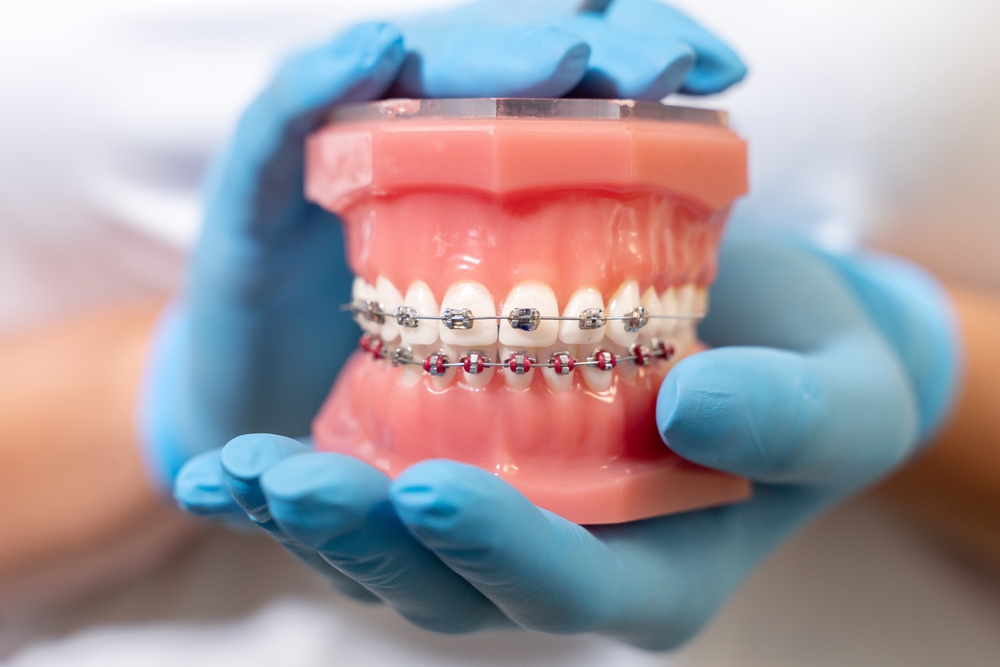
Orthodontic care is often described through outdated stories: braces are unbearably painful, favourite foods disappear from the menu, and treatment puts everyday…
Read article →Explore what the latest insights mean for your individual dental health with our team.
BOOK AN APPOINTMENT →