Address
304 North Cardinal St.
Dorchester Center, MA 02124
Work Hours
Monday to Friday: 7AM - 7PM
Weekend: 10AM - 5PM

Address
304 North Cardinal St.
Dorchester Center, MA 02124
Work Hours
Monday to Friday: 7AM - 7PM
Weekend: 10AM - 5PM
ASHRAF DENTISTRY / JOURNAL

July’s National Ice Cream Month is a time of joy for frozen treat lovers but can be a period of discomfort for those with tooth sensitivity. If the mere thought of a cold scoop sends shivers down your spine, don’t fret. Today, we share various ways to help you combat tooth sensitivity and enjoy your ice cream without the wince.
Before diving into the solutions, it’s crucial to understand what causes tooth sensitivity. Tooth sensitivity happens when the layer beneath the tooth enamel becomes exposed. This can occur due to receding gums, enamel wear, or even a cracked tooth. Exposure of the dentin to extreme temperatures or acidic foods can lead to that recognizable sharp pain.
Using a soft-bristled toothbrush and using gentle brushing motions can help prevent additional enamel wear and gum recession. It’s not only about the tools but also the technique. Avoid aggressive brushing and let the bristles do the work.
There are toothpaste formulations specifically designed for sensitive teeth. These compounds help block the transmission of sensations from the tooth surface to the nerve. Regular use can gradually reduce sensitivity.
Consult with your dentist about fluoride treatments. Fluoride can strengthen tooth enamel and reduce pain. It’s a simple yet effective way to combat tooth sensitivity.
Acidic foods and beverages can make matters worse when it comes to tooth sensitivity. To keep your enamel strong, limit your intake of citrus fruits, tomatoes, and sodas.
If you grind your teeth at night, you might be contributing to your sensitivity. A customized mouthguard can provide protection from the effects of jaw clenching and teeth grinding.
Routine visits to your dentist in Toronto can help identify and address sensitivity issues early on. Regular cleanings can also remove plaque buildup, which can contribute to sensitivity.
Your dentist might suggest sealants to protect sensitive areas—these act as a barrier covering the exposed dentin.
In certain serious situations, a root canal may be suggested and could be essential to effectively treat tooth sensitivity. This procedure treats the soft pulp inside the tooth that might be causing the pain.
If you experience sudden or severe tooth sensitivity, it could be a sign of a more serious issue. Don’t wait to contact an emergency dentist in Toronto for immediate care.
Sometimes, combating tooth sensitivity means addressing underlying problems like tooth decay or gum disease. Restorative options like fillings, crowns, or gum grafts might be necessary.
By following these tips, you can take steps to reduce tooth sensitivity and savor every bit of National Ice Cream Month. Remember, if tooth sensitivity persists, it’s essential to consult with your dentist for personalized care and treatment options. Enjoy your ice cream!
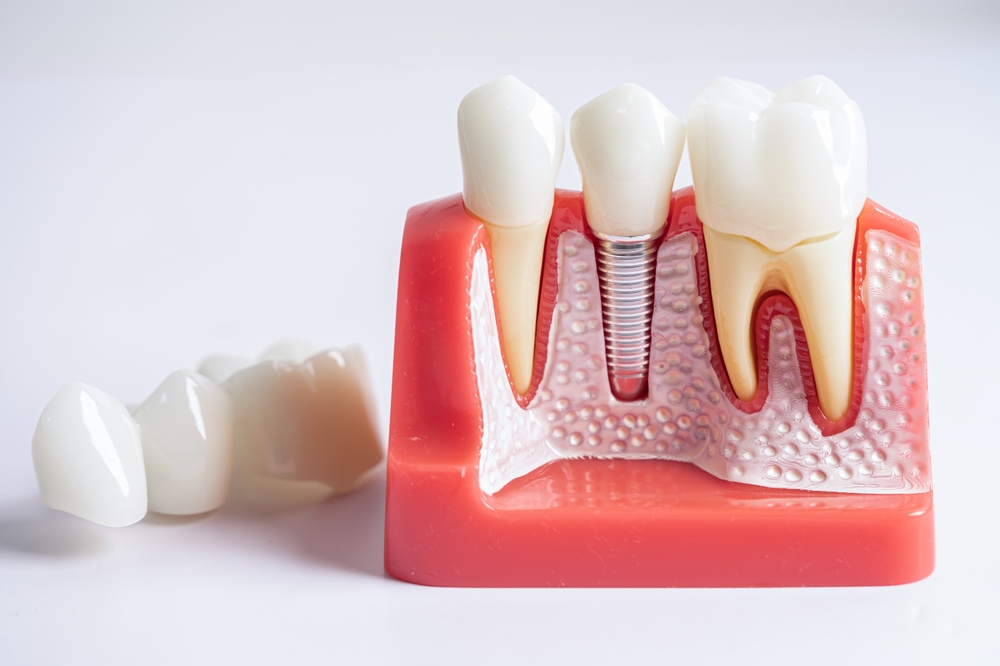
Dental implant eligibility is not a simple yes-or-no checklist. It is better understood as a personalized risk profile. Bone volume, gum health,…
Read article →
Halloween has a way of revealing dental problems that have been quietly developing all year. A filling that seemed secure suddenly loosens…
Read article →
Halloween may end when the porch lights go out, but the busiest period for teeth can continue into November. The problem is…
Read article →Explore what the latest insights mean for your individual dental health with our team.
BOOK AN APPOINTMENT →