Address
304 North Cardinal St.
Dorchester Center, MA 02124
Work Hours
Monday to Friday: 7AM - 7PM
Weekend: 10AM - 5PM

Address
304 North Cardinal St.
Dorchester Center, MA 02124
Work Hours
Monday to Friday: 7AM - 7PM
Weekend: 10AM - 5PM
ASHRAF DENTISTRY / JOURNAL
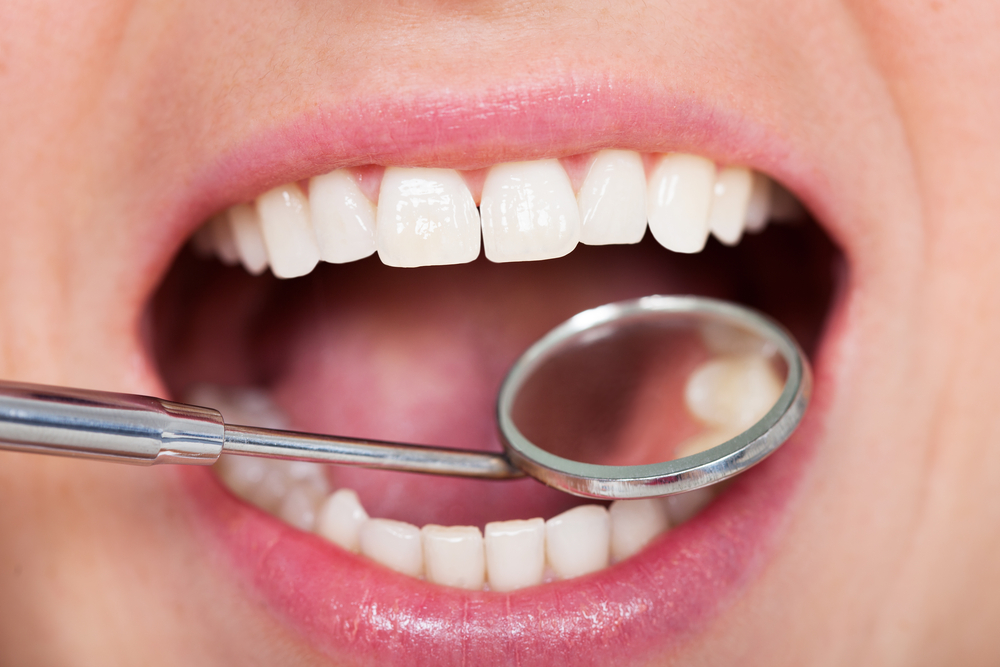
Dental fillings are a common and, at times, an essential procedure in dental clinics around the world. Whether you’re dealing with a cavity or a cracked tooth, a dental filling restores the integrity of a tooth and prevents further damage. Suppose you’re seeking a dental clinic in Waterloo for a filling or are just curious about the process. In that case, this guide will walk you through the basics of dental fillings, including the materials used, the process of getting a filling, and how to care for your teeth afterward.
With the correct information, you’ll feel more at ease and informed when you visit your dentist in Waterloo for tooth repair. So, let’s dive into the world of dental restorations and uncover what you need to know about dental fillings.
Dental fillings, also known as tooth fillings, repair minor fractures and decay in teeth, restoring them to their normal function and shape. When performing a dental filling procedure, the dentist will extract the decayed material from the tooth, cleanse the area, and then seal the cavity with a filling material. This process not only repairs the tooth but also prevents further decay by eliminating spaces where bacteria can enter.
Various materials are used for dental fillings, each with advantages and disadvantages. The material choice depends on the repair extent, allergies, filling location, and cost.
The first step is to consult a dentist in Waterloo to determine whether you need a filling. The dentist will examine your teeth, which may include taking X-rays, and assess the extent of decay or damage.
In case a filling is required, the dental professional will apply a local anesthetic to numb the area around the affected tooth. Following that, the decayed or impaired tooth substance will be eliminated using a drill, air abrasion tool, or laser.
Once the tooth is prepared and cleaned thoroughly, the dentist will use the selected material to fill the cavity. For composite resins, the material is applied in layers and hardened using a special light. Amalgam fillings are packed into the cavity and shaped to fit the tooth.
Once the filling has been placed by the dentist, they will carefully proceed to finish and polish it with the utmost precision and attention to detail. This important step is necessary to ensure that the filling is properly shaped and fits seamlessly with your natural bite. By meticulously perfecting the filling, the dentist helps to prevent any potential discomfort or future damage to the tooth, promoting overall oral health and functionality.
It’s normal to experience some sensitivity after a filling. You should avoid hot and cold foods and beverages, as well as very sweet, sticky, or hard foods, for a few days following the procedure. If you’ve received an amalgam filling, you may be advised to avoid chewing directly on the filling for a certain period.
Practice good oral hygiene to preserve your overall oral health and extend the life of your filling. Avoid habits like nail-biting or chewing on hard objects, which can damage your fillings.
While fillings are generally successful, there are some issues to look out for:
When selecting a dental clinic in Waterloo for your tooth fillings, consider the following:
Dental fillings are a routine and common procedure that can significantly impact your oral health. By understanding the types of materials available, the process of getting a filling, and how to care for your teeth afterward, you’ll be better informed for dental care decisions. Keep up with your dental hygiene and visit your Waterloo dentist to ensure your smile and fillings remain in excellent condition.

Think of a Holiday Travel Dental Kit: Yorkville Dentist Essentials for Stress-Free Trips as a tiny peace treaty between your smile and…
Read article →
Dental implant eligibility is not a simple yes-or-no checklist. It is better understood as a personalized risk profile. Bone volume, gum health,…
Read article →
Halloween has a way of revealing dental problems that have been quietly developing all year. A filling that seemed secure suddenly loosens…
Read article →Explore what the latest insights mean for your individual dental health with our team.
BOOK AN APPOINTMENT →