Address
304 North Cardinal St.
Dorchester Center, MA 02124
Work Hours
Monday to Friday: 7AM - 7PM
Weekend: 10AM - 5PM

Address
304 North Cardinal St.
Dorchester Center, MA 02124
Work Hours
Monday to Friday: 7AM - 7PM
Weekend: 10AM - 5PM
ASHRAF DENTISTRY / JOURNAL
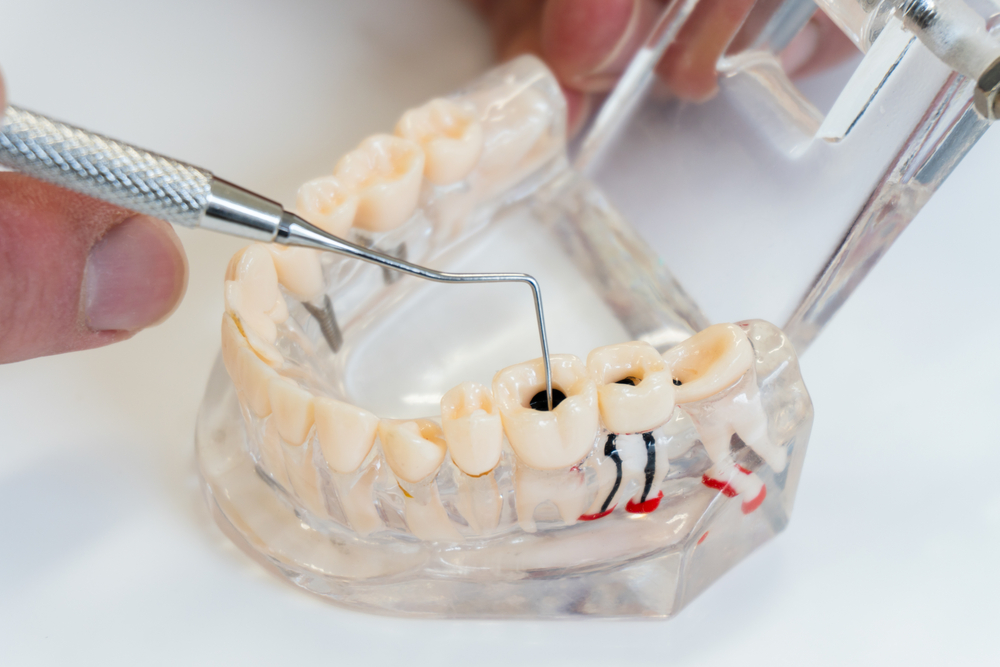
Root canal therapy often carries with it a shroud of dread and misunderstanding. However, with advancements in dentistry in Waterloo, this common dental procedure has become far less daunting than many might expect. This article aims to demystify root canal therapy, especially for those considering or needing this treatment in the Waterloo area. By understanding what the procedure entails, patients can approach their Waterloo dentist with confidence and peace of mind.
Root canal therapy aims to preserve a tooth that has sustained significant damage or infection. This procedure entails the extraction of the compromised tissue within the tooth, followed by thorough cleansing and disinfection of the affected area. Subsequently, the tooth is filled and sealed to avert further infection. By undergoing this treatment, patients can alleviate discomfort and avoid tooth removal, thus maintaining their natural smile.
Your journey begins with a visit to a Waterloo dentist, where you’ll receive a thorough examination. The decision for root canal therapy will be made during your visit. This may involve digital X-rays to assess the extent of the tooth damage or infection.
Once root canal therapy is deemed necessary, your dentist will prepare you for the procedure. This usually involves administering a local anesthetic to ensure you’re comfortable and pain-free throughout the treatment.
The actual process of root canal therapy in Waterloo involves several key steps:
The tooth will often require further restoration after root canal therapy. This might involve placing a crown on the treated tooth to restore its shape, appearance, and functionality. Your Waterloo dentist will guide you through this final phase, ensuring your tooth is fully restored.
Recovery from root canal therapy is generally quick; most dental patients can return to normal activities the next day. Your dentist in Waterloo will provide specific aftercare instructions, which may include avoiding chewing on the treated tooth until it’s fully restored, maintaining good oral hygiene, and attending follow-up appointments to monitor the healing process.
Numerous myths surrounding root canal therapy have contributed to unwarranted fears among patients. To dispel these misconceptions, here are some important clarifications:
Fact: While dental implants and bridges are viable options for replacing missing teeth, they come with their own risks and complications and often involve more extensive procedures. Root canal therapy enables the preservation of your natural tooth, which is usually the best option for maintaining optimal oral health and function. Natural teeth are stronger and more efficient for biting and chewing, and preserving them helps prevent other teeth from moving out of place and leading to issues with the jaw.
When considering root canal therapy in Waterloo, selecting a skilled and compassionate dentist is crucial. Seek out a dental office that prioritizes the comfort of its patients, utilizes the latest in dental technology, and has a track record of successful root canal treatments.
If you’re experiencing dental pain or have been told you might need root canal therapy, don’t wait. Contact a Waterloo dentist today to discuss your options. Remember, root canal therapy is a routine procedure meant to alleviate pain and save your tooth. You can look forward to a pain-free and healthy smile with the proper care and expertise.
Patients can confidently approach root canal therapy by demystifying the process and understanding what to expect. Remember, the goal of dentistry in Waterloo and all modern dental care is to ensure your comfort, alleviate pain, and preserve your natural teeth for as long as possible.

Think of a Holiday Travel Dental Kit: Yorkville Dentist Essentials for Stress-Free Trips as a tiny peace treaty between your smile and…
Read article →
Dental implant eligibility is not a simple yes-or-no checklist. It is better understood as a personalized risk profile. Bone volume, gum health,…
Read article →
Halloween has a way of revealing dental problems that have been quietly developing all year. A filling that seemed secure suddenly loosens…
Read article →Explore what the latest insights mean for your individual dental health with our team.
BOOK AN APPOINTMENT →