Address
304 North Cardinal St.
Dorchester Center, MA 02124
Work Hours
Monday to Friday: 7AM - 7PM
Weekend: 10AM - 5PM

Address
304 North Cardinal St.
Dorchester Center, MA 02124
Work Hours
Monday to Friday: 7AM - 7PM
Weekend: 10AM - 5PM
THE JOURNAL from ASHRAF DENTISTRY
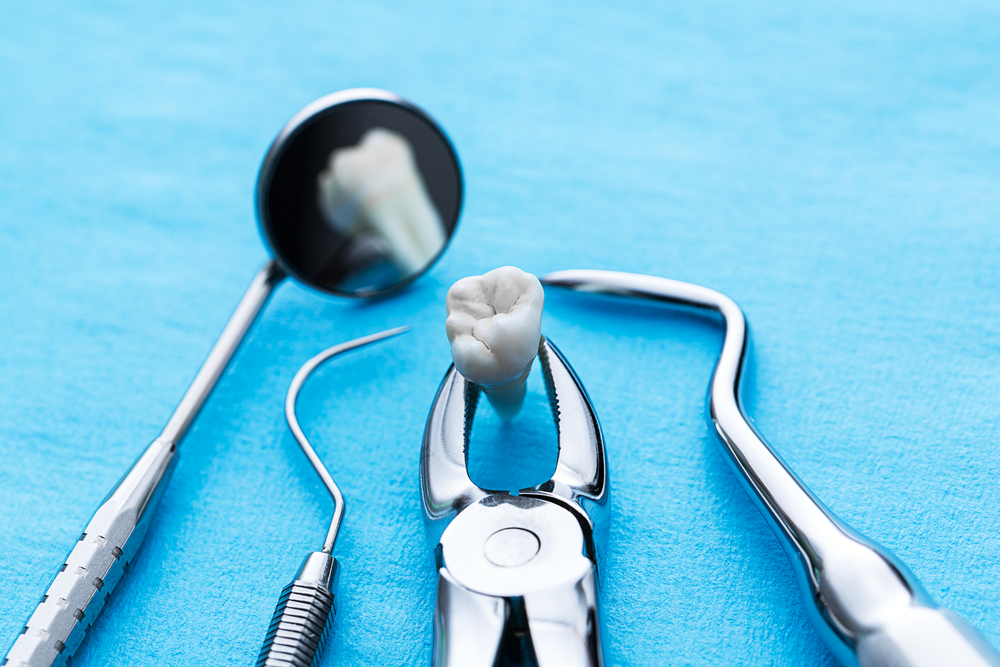
Tooth extraction refers to the act of extracting one or more teeth from the socket within the jawbone. A dentist or oral surgeon usually performs this procedure. It is recommended when the tooth is severely damaged or decayed or when it threatens other teeth or your overall dental health. In this article, we’ll discuss the details of tooth extractions, including when it’s necessary, the types of extractions, the procedure, and aftercare.
A dentist or oral surgeon may recommend tooth extraction in several situations. Here are some of the most common:
Two categories of tooth extractions exist: simple and surgical.
Simple extractions are performed when the teeth can be easily seen in the mouth. Generally, the dentist or oral surgeon employs forceps to gently loosen the tooth and extract it from its socket. This process is usually performed under local anesthesia, which numbs the area around the tooth.
Surgical extractions are more complicated and necessary when the tooth has not fully emerged from the gums or has broken off at the gum line. In this case, an incision will be made in the gum to access the tooth, and some of the surrounding bone may be removed to extract the tooth. Typically, this procedure is conducted while the patient is under general anesthesia.
Before the procedure, the dental professional will numb the area with a local anesthetic. You may also receive sedation dentistry if you are anxious about the procedure.
During the extraction, you will feel pressure as the dentist or oral surgeon works to remove the tooth from the socket. You should not feel any pain. If you do, tell the dentist or oral surgeon immediately so they can administer more anesthesia.
After removing the tooth, the dentist or oral surgeon will pack the socket with gauze to stop the bleeding. This is quite normal. The dentist will provide instructions for you to apply pressure on the gauze by biting down for about 30-45 minutes to help the blood clot.
Ask your Waterloo dentist about Platelet-Rich Plasma Therapy. Platelet Rich Plasma (PRP) therapy is an innovative technique. The process can be used in conjunction with tooth extractions to promote healing and reduce the risk of complications. During PRP therapy, a small amount of the patient’s blood is drawn and processed to separate the platelets, which contain growth factors that can stimulate tissue regeneration. The platelets are then concentrated and injected into the extraction site, which can help accelerate the healing process and reduce pain and inflammation. Platelet Rich Plasma Therapy has effectively reduced the risk of infection and improved the overall outcome of tooth extractions. However, not all patients may be suitable for PRP therapy, and it is essential to consult a dental professional to determine whether this treatment suits you.
After the extraction, you may experience some pain, swelling, and bleeding. Your Waterloo dentist or oral surgeon will give you specific instructions on easing discomfort and caring for your mouth after the procedure. Some instructions may include the following:
Following these instructions carefully is important to ensure a smooth and speedy recovery. The majority of individuals can resume their work and regular activities within a few days. However, it may take several weeks for the socket to heal fully.
While tooth extractions are sometimes necessary, maintaining good oral health is the best way to avoid them. This entails maintaining regular brushing and flossing habits while also avoiding sugary and acidic foods and maintaining your dental visits.
During a dental check-up, your dentist can detect and treat any problems early before they require more invasive procedures like extractions. They can also provide guidance on enhancing your oral hygiene regimen and identify any risk factors that may increase your chances of developing dental problems.
Tooth extractions are more common than you think. This dental procedure can help to alleviate pain and prevent further dental problems. After the procedure, following your dentist’s instructions carefully is vital to ensure a smooth and speedy recovery.
While tooth extractions are sometimes necessary, maintaining good oral health is the best way to avoid them. Be sure to maintain your dental appointments for regular check-ups and cleanings. We recommend scheduling your next dental appointment soon and booking future appointments in advance to take care of your teeth and keep them healthy for life.

Phase 1 orthodontic treatment is early, interceptive care for children whose jaws, bites, teeth, breathing patterns, or oral habits may benefit from…
Read article →
Holiday schedules can be joyful, but they can also bring packed calendars, travel planning, financial pressure, family expectations, and disrupted sleep. For…
Read article →
Think of a Holiday Travel Dental Kit: Yorkville Dentist Essentials for Stress-Free Trips as a tiny peace treaty between your smile and…
Read article →Explore what the latest insights mean for your individual dental health with our team.
BOOK AN APPOINTMENT →